Sign In
  • Australia
  • International
  • Canada
  • Europe
Education Times
  • Home
  • Education
    EducationShow More
    What kind of leader should you become?

    The kind of leader you become is important in determining the overall…

    5 Min Read
    What it takes to become a successful strategic learner

    One key to success in education and training is becoming a strategic…

    7 Min Read
    Instructional strategies: what are they?

    In order for students to be able to learn effectively, teachers use…

    5 Min Read
    Pandemic-related drop in enrolments and delays in student visa approvals causing chaos for RTOs

    The pandemic has caused a sharp drop in enrolments at many Registered…

    2 Min Read
    In their first meeting since the election, education ministers face a ‘massive’ teacher shortage

    The nation's unprecedented teacher shortage will dominate discussions between Australia's education ministers…

    3 Min Read
  • VET Sector
  • HEP Sector
  • School Sector
  • Australia
  • World
  • Science & Tech
  • Health
  • Sports
  • More
    • TV
    • Movies
Reading: Synchronous and asynchronous learning environments
Share
Education TimesEducation Times
Aa
Search
  • Home
    • Home News
    • Home 2
    • Home 3
    • Home 4
    • Home 5
  • Categories
  • Bookmarks
    • Customize Interests
    • My Bookmarks
  • More Foxiz
    • Blog Index
    • Sitemap
Have an existing account? Sign In
Follow US
© 2022 Foxiz News Network. Ruby Design Company. All Rights Reserved.
Education Times > Blog > Education > Synchronous and asynchronous learning environments
Education

Synchronous and asynchronous learning environments

Vijay
Last updated: 2021/10/14 at 1:05 PM
Vijay
Share
SHARE

Training organisations are getting more creative when it comes to how they help learners. They are working to find techniques, technologies and tools that can include both synchronous and asynchronous learning.
The online learning experience has evolved over the years. The tools used in the past, like e-learning websites, have been replaced by newer technologies that allow for richer experiences for learners – both synchronous and asynchronous ones.
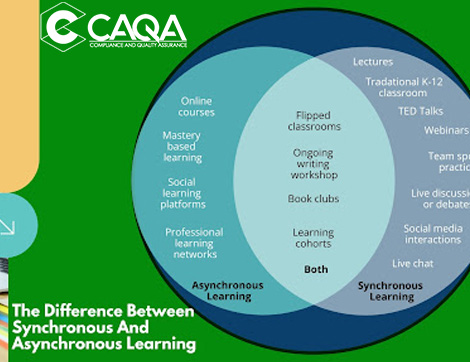
Synchronous learning is an environment in which learners are in the same physical or virtual space at the same time. This includes learning through group discussions, lectures, webinars, etc. One of the main benefits of this type of learning is that it provides opportunities for in-person collaboration and interactions. Synchronous learning can also refer to the traditional classroom setting (face-to-face interaction with a trainer or teaching assistant) where learners are required to attend class in person. In an asynchronous learning environment – as the name suggests – students work together in pairs or groups to receive instruction from one source.
Synchronous learning environments provide opportunities for better relationships between learners and instructors. Synchronous learning is often used in vocational education and training and higher education sectors because it is good for student engagement and relationships which is important to ensure that students come back to training organisations.
Asynchronous learning refers to a different kind of online environment where students are expected to participate remotely, they access instructional learning and training materials each week at any time that best suits them and they do not log in and participate in webinars or class sessions at a specific time each week. Learners have their individualised lesson plans and they interact with other learners and training staff not at all or only for a limited period of time such as asking questions through emails or messages.
Asynchronous environments offer freedom of choice when it comes to when learners can interact with others so they can learn when they want or need to, which can help them complete their studies more quickly. This environment also helps them to learn in different ways depending on how they learn best so they don’t feel overwhelmed by having too much information at a training session or too little information that they feel bored and detached from the learning environment and processes.


The most significant distinction between asynchronous and synchronous learning is the presence of a live instruction component that occurs at a predetermined time.


The difference between synchronous and asynchronous learning environments comes down to when learners complete their tasks. If they are completed during synchronous activities, they are done simultaneously without any interruption from outside forces. If they are completed during asynchronous activities, there are interruptions from time to time which could be due to external factors or individual factors such as someone being distracted or busy with something else.

You can include both synchronous and asynchronous learning through including:

  • Flipped classrooms
  • MOOCs
  • Providing opportunities for learners to attend classes from anywhere
  • Communicate regularly with instructors
  • Providing access to platforms where people have the opportunity to make connections with other learners
  • Providing access to online discussion forums where students can read the discussions and also have the opportunity to participate in the discussion forums as well.

Subscribe to Our Newsletter

Subscribe to our newsletter to get our newest articles instantly!

Vijay October 14, 2021
Share this Article
Twitter Email Copy Link Print
Previous Article The Concept of Immersive Education
Next Article Online learning – Understanding the learner experience continuum

Editor's Pick

Top Writers

Opinion

Interview with Wendy Perry – Managing Director, Workforce BluePrint

BIO: Wendy Perry Managing Director Workforce BluePrint Wendy Perry who…

November 24, 2022

The Instructional Design Process – The Five Steps

When designing training programs, instructional designers…

October 24, 2022

In vocational education and training, what is assessment?

In the VET sector, assessment refers…

August 12, 2022

Principles of assessment

An easy way to learn them:…

August 12, 2022

Rules of evidence

An easy way to learn them:…

August 12, 2022

You Might Also Like

Education

What kind of leader should you become?

The kind of leader you become is important in determining the overall success of your team or company. After all,…

5 Min Read
Education

What it takes to become a successful strategic learner

One key to success in education and training is becoming a strategic learner. This means learning how to effectively use…

7 Min Read
Education

Instructional strategies: what are they?

In order for students to be able to learn effectively, teachers use instructional strategies in order to help them. The…

5 Min Read
EducationImmigrationRTO

Pandemic-related drop in enrolments and delays in student visa approvals causing chaos for RTOs

The pandemic has caused a sharp drop in enrolments at many Registered Training Organisations (RTOs), with some seeing a decline…

2 Min Read
Education Times

News

Teaching

Learning

Jobs

More

Subscribe

  • FAQ
  • Newsletters
  • Topics

© Education Times Network. Online Media Solutions. All Rights Reserved.

Removed from reading list

Undo
Welcome Back!

Sign in to your account

Lost your password?