Sign In
  • Australia
  • International
  • Canada
  • Europe
Education Times
  • Home
  • Education
    EducationShow More
    What kind of leader should you become?

    The kind of leader you become is important in determining the overall…

    5 Min Read
    What it takes to become a successful strategic learner

    One key to success in education and training is becoming a strategic…

    7 Min Read
    Instructional strategies: what are they?

    In order for students to be able to learn effectively, teachers use…

    5 Min Read
    Pandemic-related drop in enrolments and delays in student visa approvals causing chaos for RTOs

    The pandemic has caused a sharp drop in enrolments at many Registered…

    2 Min Read
    In their first meeting since the election, education ministers face a ‘massive’ teacher shortage

    The nation's unprecedented teacher shortage will dominate discussions between Australia's education ministers…

    3 Min Read
  • VET Sector
  • HEP Sector
  • School Sector
  • Australia
  • World
  • Science & Tech
  • Health
  • Sports
  • More
    • TV
    • Movies
Reading: Customer complaints are your opportunity to drive continuous improvement
Share
Education TimesEducation Times
Aa
Search
  • Home
    • Home News
    • Home 2
    • Home 3
    • Home 4
    • Home 5
  • Categories
  • Bookmarks
    • Customize Interests
    • My Bookmarks
  • More Foxiz
    • Blog Index
    • Sitemap
Have an existing account? Sign In
Follow US
© 2022 Foxiz News Network. Ruby Design Company. All Rights Reserved.
Education Times > Blog > News > Customer complaints are your opportunity to drive continuous improvement
News

Customer complaints are your opportunity to drive continuous improvement

Vijay
Last updated: 2022/06/27 at 6:14 PM
Vijay
Share
SHARE

There is no organisation that isn’t subject to complaints from time to time. In the case of Registered Training Organisations (RTOs), complaints are governed by the Standards for RTOs 2015. Standard 6 requires RTOs to have a system in place for managing complaints.

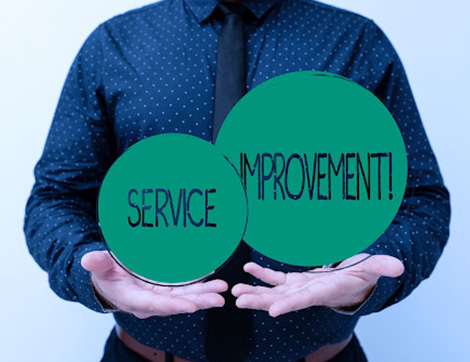
While it’s obviously important to deal with complaints in a timely and effective manner, it’s also important to see them as an opportunity for continuous improvement. After all, if someone has taken the time to make a complaint, they obviously feel strongly about something that your RTO is doing (or not doing). By taking a proactive approach to complaints management, you can turn a negative experience into a positive one for both your organisation and your clients.

By working to resolve complaints quickly and effectively, you can not only improve the learner experience but also use complaints as a way to identify systemic issues and areas for improvement within your organisation.

So what can you do to turn a complaint into an opportunity for positive change?

Here are three suggestions:

1. Use complaints as a trigger for review

Complaints can be a valuable source of information about where your RTO’s processes or procedures may be falling short. They can also highlight areas where staff may need more training or support.

Whenever a complaint is received, take the time to review the situation and see if there are any changes that could be made to prevent similar problems from happening in the future.

2. Communicate with complainants

It’s important to keep complainants updated on the progress of their complaints and what actions are being taken as a result. This will help to build trust and confidence in your RTO’s complaint-handling process.

3. Use feedback to improve your processes

Once a complaint has been resolved, take the time to follow up with the complainant to get their feedback on how the process was handled. This feedback can be used to improve your procedures for dealing with complaints in the future.

There are a few key things to keep in mind when managing complaints:

  • Complaints should be managed in a confidential and respectful manner.
  • All complaints should be investigated thoroughly and promptly.
  • Corrective action should be taken where necessary.
  • Feedback should be provided to the complainant on the outcome of their complaint.

Here are some tips on how to use complaints for continuous improvement:

  • Make sure you have a clear and accessible complaints policy and procedure. This will help ensure that all complaints are dealt with in a consistent and fair manner.
  • Encourage clients to give feedback, both positive and negative. Feedback is essential for continuous improvement, but it can be hard to get if you don’t ask for it.

Use complaints as an opportunity to review your policies and procedures. Are they working as intended? Do they need to be updated or improved?

Be open to suggestions from clients on how you could improve your services. They are the ones who use your services on a day-to-day basis, so their feedback is invaluable.

Take action on the feedback you receive. This shows clients that you are serious about making improvements based on their input.

By taking a proactive approach to complaints management, you can turn a negative experience into a positive one for both your organisation and your clients. By using complaints as an opportunity for continuous improvement, you can ensure that your organisation is providing the best possible service to its clients.

An effective complaints management system will help you to resolve issues quickly and efficiently, while also providing valuable insights into areas of improvement within your organisation. By using complaints as a way to drive continuous improvement, you can ensure that your organisation is providing the best possible experience for all learners.


Subscribe to Our Newsletter

Subscribe to our newsletter to get our newest articles instantly!

Vijay June 27, 2022
Share this Article
Twitter Email Copy Link Print
Previous Article Interview with Shiv Jaidka, CA, RTO Accounts
Next Article The complaint management processes for a training organisation
Leave a comment

Leave a Reply Cancel reply

Your email address will not be published. Required fields are marked *

Editor's Pick

Top Writers

Opinion

Interview with Wendy Perry – Managing Director, Workforce BluePrint

BIO: Wendy Perry Managing Director Workforce BluePrint Wendy Perry who…

November 24, 2022

The Instructional Design Process – The Five Steps

When designing training programs, instructional designers…

October 24, 2022

In vocational education and training, what is assessment?

In the VET sector, assessment refers…

August 12, 2022

Principles of assessment

An easy way to learn them:…

August 12, 2022

Rules of evidence

An easy way to learn them:…

August 12, 2022

You Might Also Like

News

CAQA Recruitment – The current job vacancies

Resource writers  CAQA Resources is looking for qualified instructional writers and subject matter experts to develop training materials for the…

0 Min Read
News

Australian gov’t to review HE in long-term plan

The government of Australia has announced a ‘Universities Accord’ designed to build a long-term plan for the country’s higher education…

1 Min Read
News

Australia declined 50% of student visa applications from India in 2022

Student from India, Nepal and Sri Lanka have had their request for student visa for Australia's vocational to higher education…

1 Min Read
News

New Victoria University program gives high school leavers ‘space’ to figure out future

The program was funded by a pool of state government money allocated to the university to research how to help…

1 Min Read
Education Times

News

Teaching

Learning

Jobs

More

Subscribe

  • FAQ
  • Newsletters
  • Topics

© Education Times Network. Online Media Solutions. All Rights Reserved.

Removed from reading list

Undo
Welcome Back!

Sign in to your account

Lost your password?