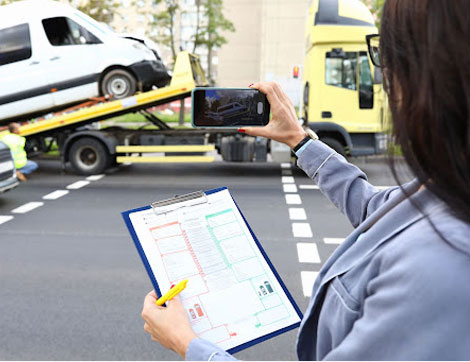
Video evidence can be used to support learning in a variety of contexts. It is becoming an essential tool for trainers/assessors and RTO administrators in order to achieve compliance with regulatory requirements.
The use of video evidence has been growing by leaps and bounds over the last few years. It is now being used in classrooms, practical assessments, institutional assessment, licensing, accreditation, assessment centres, distance education settings and more.
The three main benefits of using video are that it is able to capture all learning opportunities, provide evidence in a specific situation, and be time-efficient.
When assessing student achievement, video evidence is one of the types of proof that can be relied upon without question. RTOs can also benefit from video evidence in a number of other ways, including the following:
- One of the best ways to demonstrate competency: Video evidence is often used when the trainers/assessors need reliable evidence that students have achieved the skills they need to successfully complete a unit of competency. This allows trainers/assessors to focus on training rather than documenting what students have already learned through written assessments or formative tests.
- Demonstrates authenticity: It demonstrates that the student is in fact the student who is completing the assessment;
- Make the assessment process easier and effective: Videos may be simply uploaded into the LMS so that the examiner can see them at any time and from any location.
- Improve learner’s engagement: It can be used to improve learner’s engagement with the curriculum through creating content that fits their needs and interests. This is one of the best ways to provide evidence that the learner is engaged with the learning processes.
- A good teaching tool: It also enables students to see how they learn best and what areas need more practice. When learners watch their performance on videos repeatedly, they begin to understand what they are doing correctly and where they need to improve their skills. Trainers and assessors can provide a more appropriate resource for students with diverse learning styles through videos. Videos provide a way for trainers and assessors to show their learners what they did during class time and how they can improve on their learning. Learners also get to watch how other people successfully complete the course material or demonstrate their competency in a task or unit of competency.
Video can be challenging, but many online learning platforms offer tools like annotation to help learners produce high-quality content for their formative and summative assessments.
Are you aware of the compliance and regulatory requirements to use the Video Evidence?
The use of videos as evidence for compliance and regulatory requirements is rising with the increase in the adoption of online learning. In order to use videos as evidence, training organisations have to have a process in place and make sure that they comply with regulatory requirements.
There are a number of legal, regulatory and ethical requirements that you must know, including but not limited to the following:
- Privacy and confidentiality requirements – Privacy and confidentiality requirements are important when having video evidence from learners in the classroom or outside the classroom. Who else is part of the video, do learners and training organisations have permission to have these people in video in writing? Where is this video filmed? Is it breaching any privacy and confidentiality clauses?
- Permission to use the video material – You must seek permission from your learners before you use their photos or videos or anything related to them (including their personal details) on any of your marketing materials, materials that can be accessed by you or your trainers and assessors or any third party. One of the best ways to achieve this is through a question on your enrolment form, where if they have any objections, they can tick or untick a checkbox and you can have further discussions with them related to this matter.
- Data protection: In order to keep our learners safe, we should understand the importance of data protection and the compliance requirements that apply to video evidence from learners. Data protection requirements provide guidelines on how, where, why the learners’ personal data is stored, used and for how long?
- Unlawful surveillance: This includes not violating wiretap law, not infringing on any individual’s privacy rights, not being involved in any illegal activity while using video evidence and so on.
- Preventing misuse of the assessment materials: The training organisation must ensure that the purposes of using the assessment evidence are clearly mentioned and this evidence is not used for any other purposes.
- Ensuring the video has not been edited: One challenge with the use of video in training and education is accuracy in assessing learner performance. While this may be difficult because videos can be edited, many still think that videos are not reliable enough to assess learner progress accurately.
- Compliance with internal policies and procedures framework: It is important for training organisations to adopt a comprehensive approach to managing their video evidence, including policies, processes, governance models, and technology solutions that support compliance.
- Copyright and intellectual property rights: Who has these rights? What are the rights of learners for their assessment evidence? What are the rights of the training organisations for this assessment evidence?
So, what systems, processes, practices do you have in place to ensure you comply with all these requirements? If you need assistance setting up compliant evidence-gathering procedures and practices, please do not hesitate to contact CAQA today.