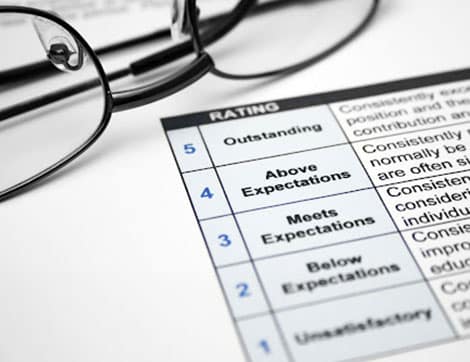
Annual performance reviews are a key part of any training organisation’s quality improvement process. They provide an opportunity to review progress, identify areas for improvement and set goals for the coming year. Performance reviews can be used to assess an organisation’s effectiveness in delivering training, their customer service levels and the quality of their products or services. They can also provide feedback on how well employees are meeting expectations.
When undertaken effectively, annual performance reviews can be a powerful tool for driving organisational change and improvement. However, they can also be a source of frustration and tension if not managed well. When writing a performance review, it is important to be objective and concise. Be sure to back up your claims with evidence, such as customer satisfaction surveys or sales figures.
Here are some strategies for making the most out of your annual performance review:
Be prepared.
Review your organisation’s goals and objectives, and think about how you have contributed to them over the past year. This will help you focus your thoughts and be able to speak confidently about your achievements.
Take the time to understand the review process.
Ask questions if you’re unsure about anything – this will show that you’re interested and motivated to improve your performance.
Set clear expectations
Before the review period begins, sit down with your team and agree on what will be covered during the review. This will help to ensure that everyone is on the same page and knows what is expected of them.
Communicate with your team ahead of time.
Let them know when the review period will be and what you’ll be looking at. This will help set expectations and avoid surprises.
Be clear about your standards.
What are you expecting from your team in terms of performance? Make sure everyone is on the same page so there are no misunderstandings.
Be honest
Good performance reviews require honest feedback from both managers and employees. Avoid sugar-coating feedback or making excuses for poor performance – this will only serve to undermine the review process. If there are areas where you could have done better, talk about what you will do differently in the future to improve.
Be objective.
When it comes time to sit down and write the review, try to be as objective as possible. Don’t let personal feelings or biases cloud your judgement.
Focus on the future
Performance reviews should be forward-looking, not dwelling on past mistakes. Use the review as an opportunity to identify areas of improvement and set goals for the coming year. Discuss with your manager what you would like to achieve in the coming year, and agree on a plan to help you reach these goals.
Be constructive
Feedback should always be constructive, focusing on specific actions that can be taken to improve performance. Avoid general comments or criticism that is not backed up by evidence. If there are areas where team members need to improve, be sure to give specific feedback that will help them make those improvements.
Offer praise.
It’s important to acknowledge when team members are doing a good job. A few words of encouragement can go a long way towards motivating someone to do their best work.
Provide professional development opportunities
Irrespective of the outcome of the performance reviews, you must be ready to offer professional development opportunities to all your general and training staff members.
Agree on a plan of action
At the end of the performance review, agree on a plan of action with your team. This should include specific goals and deadlines for improvement.
By following these strategies, you can make sure that your annual performance review is a positive and productive experience for everyone involved.